
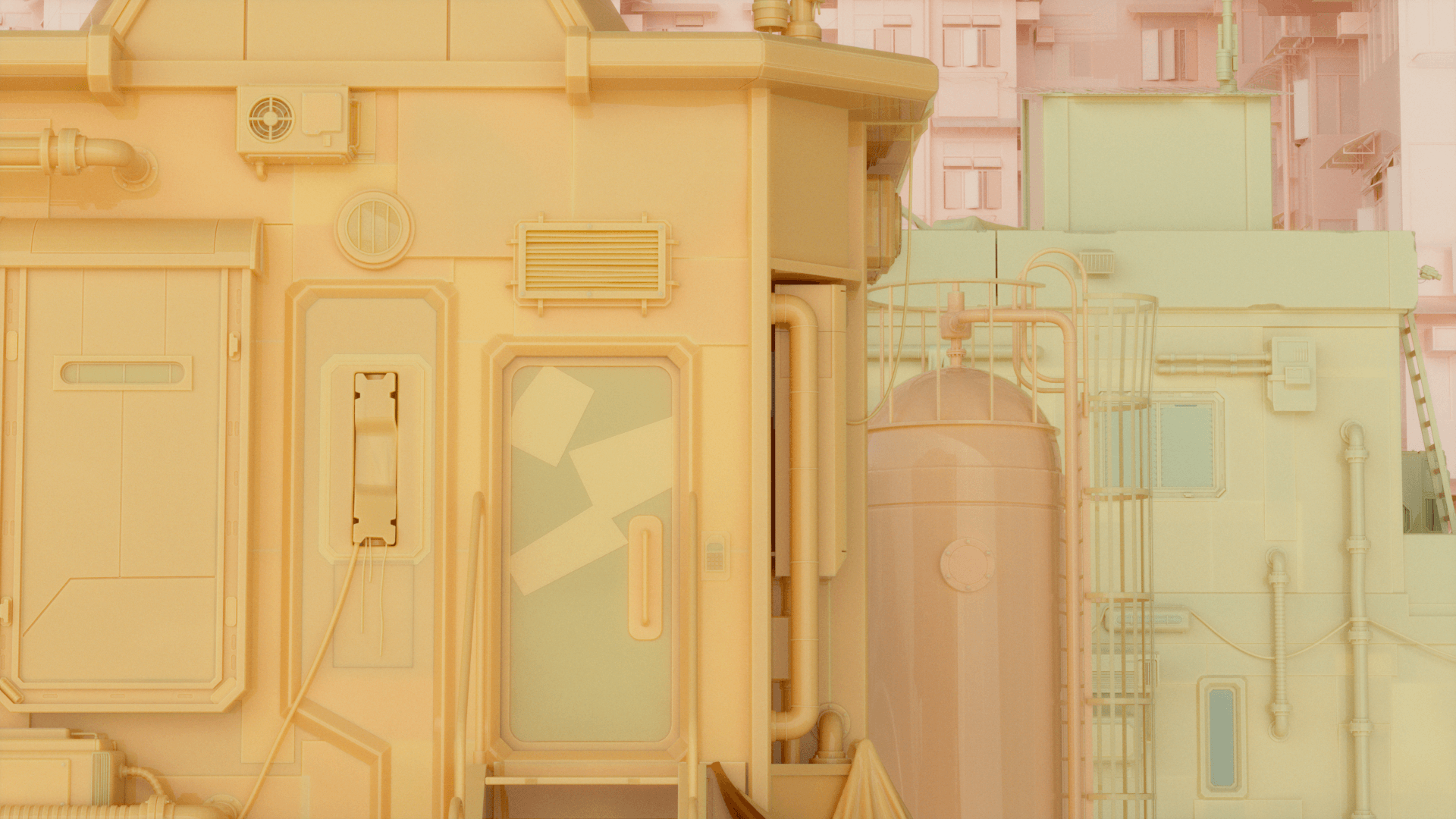
Meet Timo Frank: a Hamburg-based artist who defines what it means to wear many hats in the modern creative landscape. With nearly 30 years of experience spanning the evolution of music videos to high-end advertising, Timo has cultivated a unique workflow that bridges the gap between meticulous 2D retouching and the expansive possibilities of 3D motion design.
In this spotlight, Timo shares how he returned to motion design during the pandemic to master Cinema 4D and why he relies on the KitBash3D library to keep his projects moving at light speed. Whether he is directing commercial spots or experimenting with his 12inMotion Challenge community, Timo’s story is a testament to the power of staying curious and choosing tools that empower your personal vision.
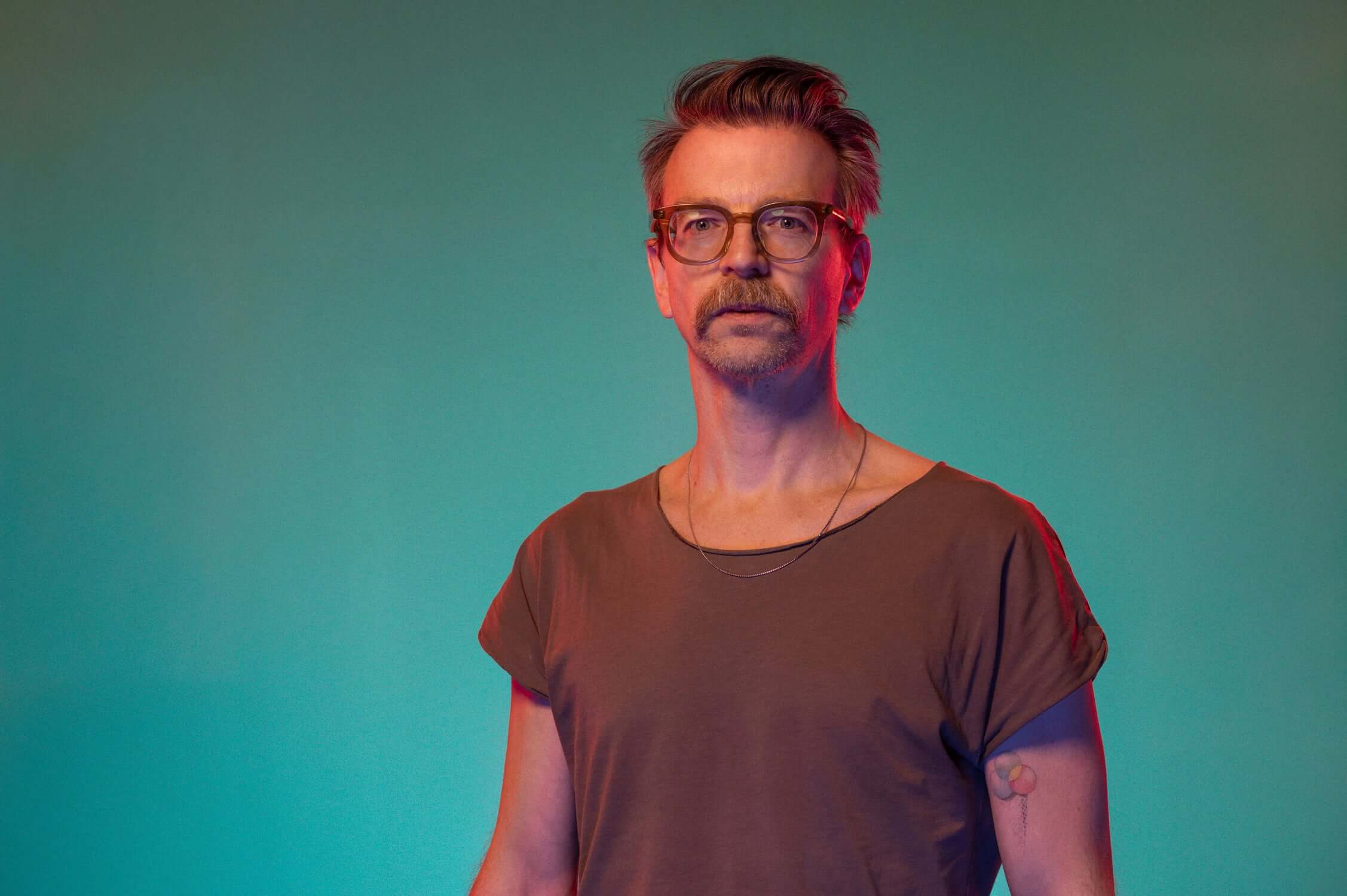
Tell us who you are and how you first got into motion design.
My name is Timo Frank, and I live in Hamburg. Almost 30 years ago, I entered the world of post-production through an internship. Initially, I animated many music videos, but I soon began developing my own concepts and directing.
After the decline of the music video market, my focus shifted to advertising, where I primarily work in retouching and compositing. During the COVID-19 pandemic, I paused and decided to dedicate myself more fully to motion design again. Since then, I have been continuously working on my portfolio. My goal is to split my time: 50% on retouching and 50% on motion design.
Your career has spanned everything from music videos to photography and high-end retouching. How do you manage the demands of working across so many different creative formats?
As ODB said, “I’m a one-man army.” I’m a generalist at heart, interested in a wide range of fields—2D, 3D, photography, video, and music production. It can be frustrating at times because focusing on just one area doesn’t come easily to me. But I love that flexibility; switching between disciplines keeps things exciting. There’s always so much more to learn—it’s both a blessing and a curse.
The upside is that my work is incredibly varied. Sometimes it’s purely creative, sometimes it’s more technical or hands-on. I could never commit to just one direction. Another big plus is that I’m represented by an agency (m-a-p.berlin), so I don’t have to worry about finding clients myself.
Can you walk us through your workflow? How does a piece come together?
In commercial projects, a lot is predefined. To quickly nail down a visual style that fits the product, I stick to techniques I know well. To get the client on board early, I show up to five rough sketches instead of two polished concepts. Being open to feedback is key – I don’t take it personally if they’re not sold right away. Usually, it pushes the work forward.
For personal projects, I start by asking: What do I want to experiment with? A plugin, a color palette or maybe typography? Then sketches come first: Does the idea click? Is it fun to make and look at? It’s less about perfecting the first seconds and more about finding the project’s vibe. Once I’m in the flow, I dive into the details.
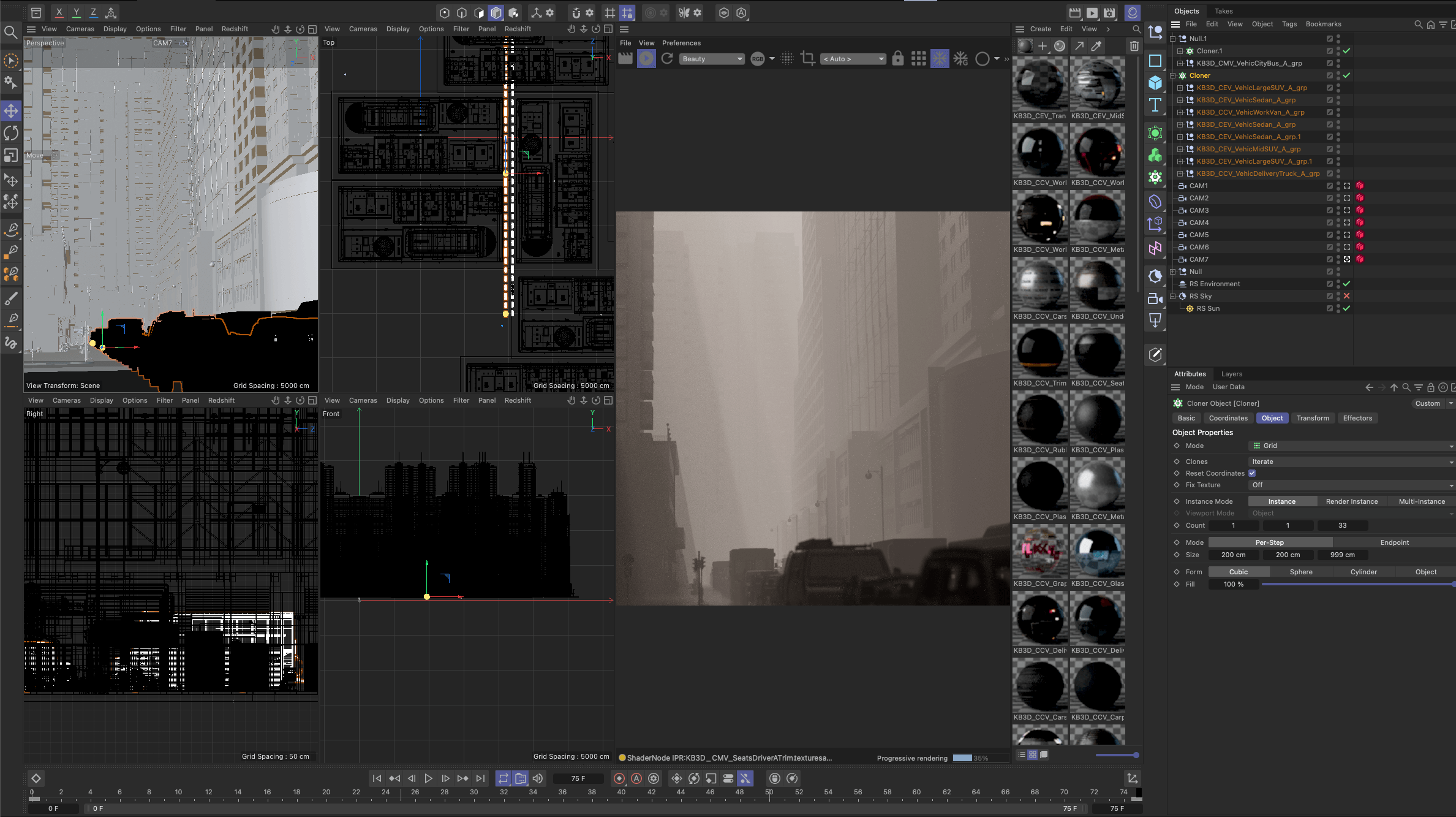
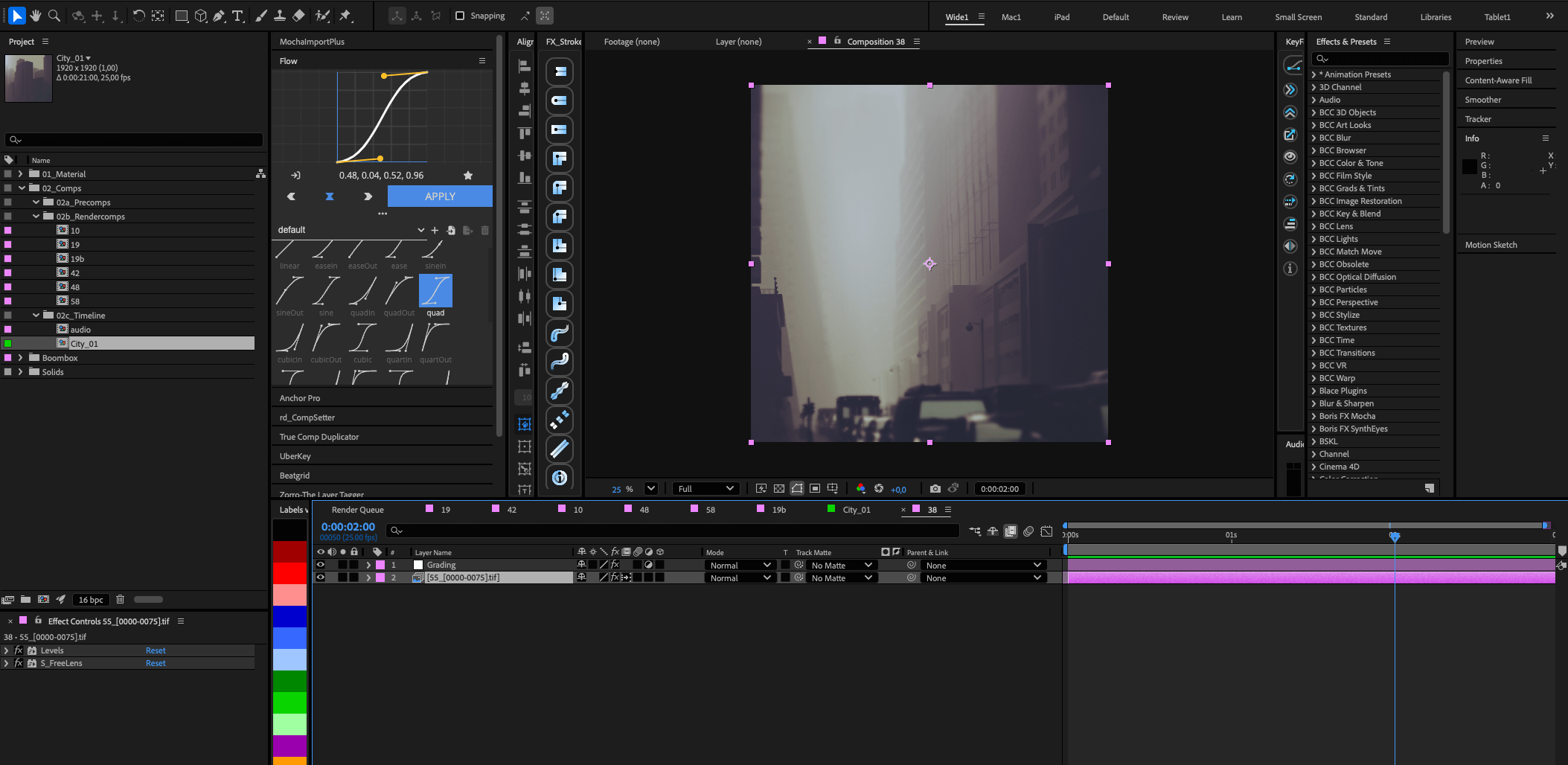
3D is a relatively new skill for you. What interests you most about incorporating 3D into your work?
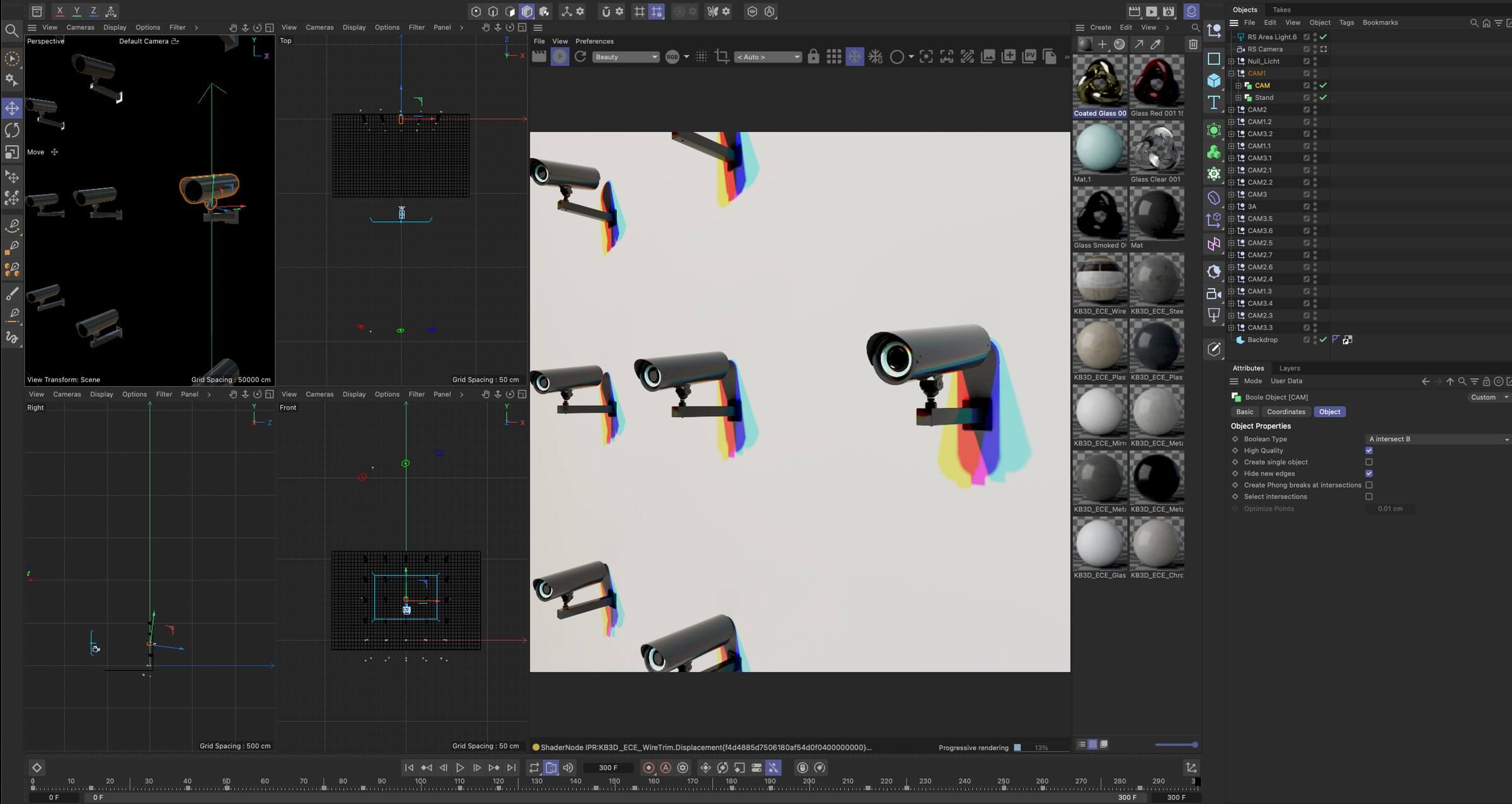
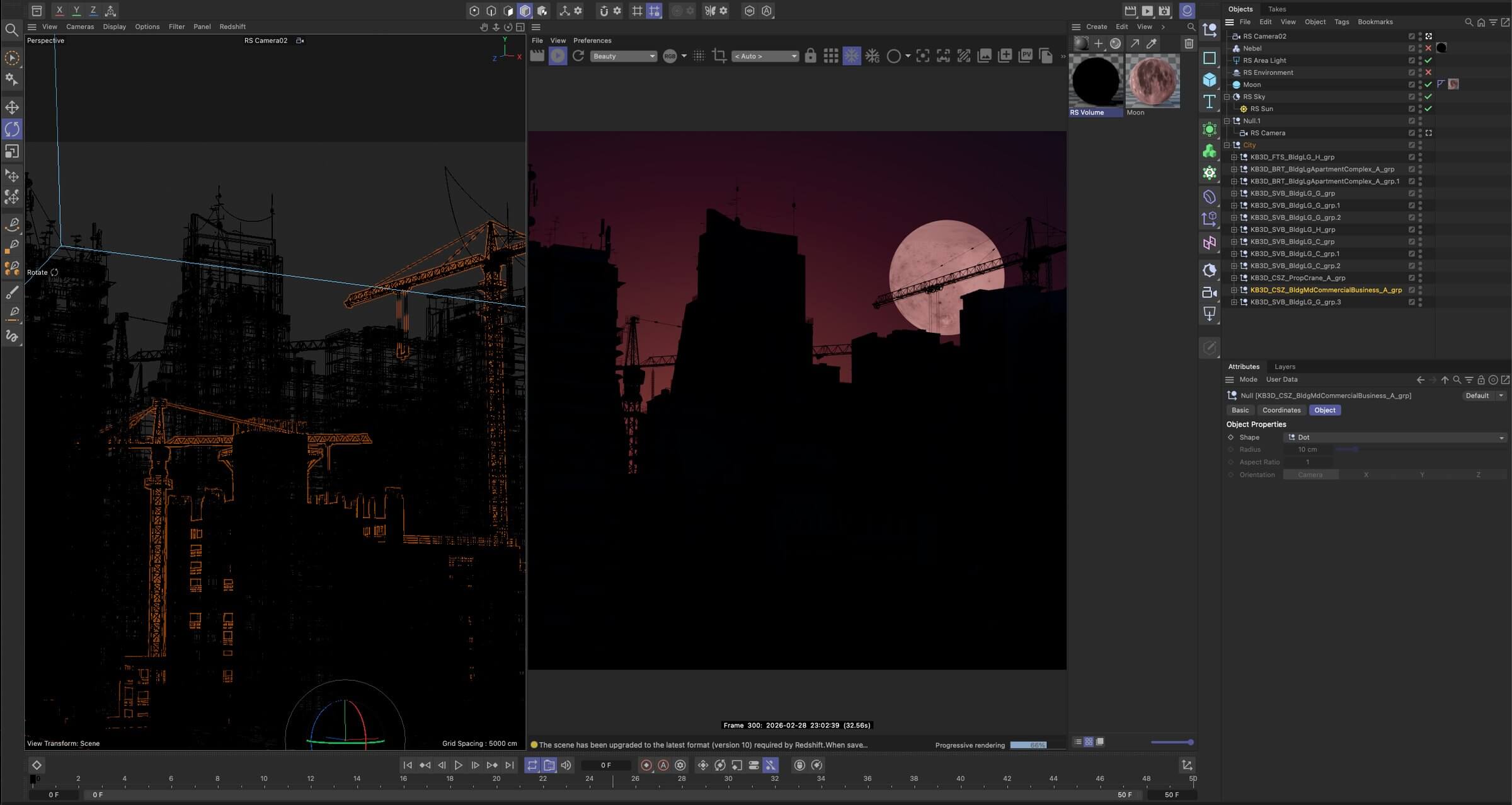
I only learned Cinema 4D during the COVID-19 pandemic and quickly realized that lighting, composition, and animation interest me most, while texturing and modeling hold less appeal. In client projects, I use 3D very selectively—only when it truly adds value and I feel confident using it. This allows me to combine the best of both worlds while remaining authentic.
I primarily use 3D in personal projects. Through this, I‘ve learned that it‘s not about creating the hottest shit. It‘s enough if I understand what I‘ve gained from a project—it doesn‘t have to appeal to everyone.
Doing retouch, motion design, photography, and 3D on your own sounds like a lot of work. How do you use KitBash3D to speed up workflow?
I first learned about KitBash3D at the 3D and Motion Design Show in October 2020. I immediately bookmarked all the Kits that looked interesting. When the subscription became available, I jumped at the chance. The subscription has the obvious advantage of allowing me to mix and match worlds and access all the small objects (speakers, skateboards, traffic lights). It‘s a huge relief not to have to worry about modeling anymore.
For 2026, I‘ve resolved to focus on many small projects rather than a few large ones. That‘s how I learn the most.
We’ve heard you’re also a fan of our friends at Greyscalegorilla. How have you used their assets in projects?
Since Cinema 4D is not my main tool, it is incredibly helpful to have access to a database of models, textures, and lights that allow me to focus on the essentials: the content. With Greyscalegorilla, there's a lot to discover. The material and HDRI collections are particularly helpful, and I really enjoy using the studio lighting setups. They're easy to change and a very good starting point.
What advice would you give to other motion designers looking to incorporate 3D into their work?
70% is enough. Especially in 3D, it’s easy to get lost chasing perfection, but perfect work doesn’t exist. It’s better to create three projects that are enjoyable and effective than one project where half the time is spent refining details nobody will notice in the end.
The second thing I strongly recommend is: team up. Together with several colleagues, I founded the 12inMotion Challenge, where we set ourselves a monthly topic and discuss our work. It has grown into a fantastic network where we support each other. I now have people I can always ask — whether about 3D, character animation, or workflows. What more could you ask for?
What’s next? Any dream projects or goals on your list?
I’m planning to drop a few new tracks for my Music 4 Motion project and maybe shoot another music video to go with them. I also believe I can no longer avoid AI, so I plan to explore it in depth.
Timo’s journey reminds us to find joy in the process and strength in the community we build along the way. By leveraging the KitBash3D library to handle the heavy lifting of modeling, he’s found the freedom to focus on what he loves most: composition, lighting, and vibe.
As Timo prepares to dive deeper into new musical tracks for his Music 4 Motion project, we can’t wait to see what world he builds next. You can follow his latest work and stay inspired by checking out his portfolio at www.timofrank.de or following him on Instagram at @timofrank_de.