


Unreal Engine 5 (UE5) is revolutionizing the world of game development with its powerful new features like Nanite, Lumen, and an overall more dynamic workflow. However, to harness the full potential of UE5, you'll need a robust graphics card capable of handling its demanding requirements. Whether you're a game developer, a 3D artist, or someone exploring the possibilities of UE5, choosing the right GPU is crucial. Here’s a breakdown of the 5 best graphics cards for Unreal Engine 5 currently available that can take your UE5 projects to the next level, plus a few Honorable Mentions if you're trying to avoid breaking the bank.
5 Best Graphics Cards for Unreal Engine 5 in 2026:
1. NVIDIA GeForce RTX 5090 Founders Editio
2. NVIDIA GeForce RTX 5080
3. AMD Radeon RX 9070 XT
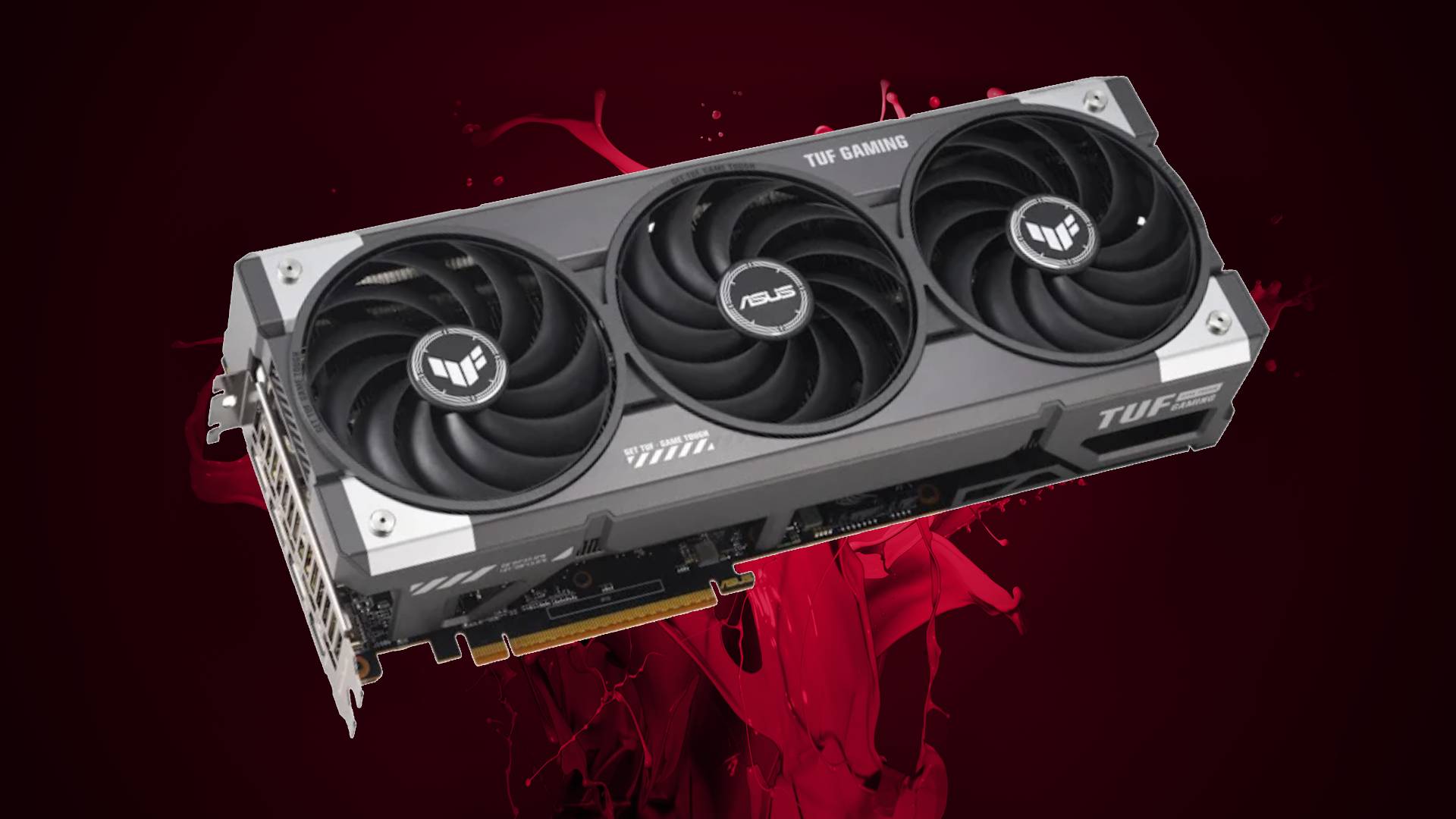
4. NVIDIA GeForce RTX 5070 Ti
5. AMD Radeon RX 9070
Honorable Mentions:
1. NVIDIA RTX 3090
2. NVIDIA RTX 3080
3. AMD Radeon RX 6900 XT 6900XT
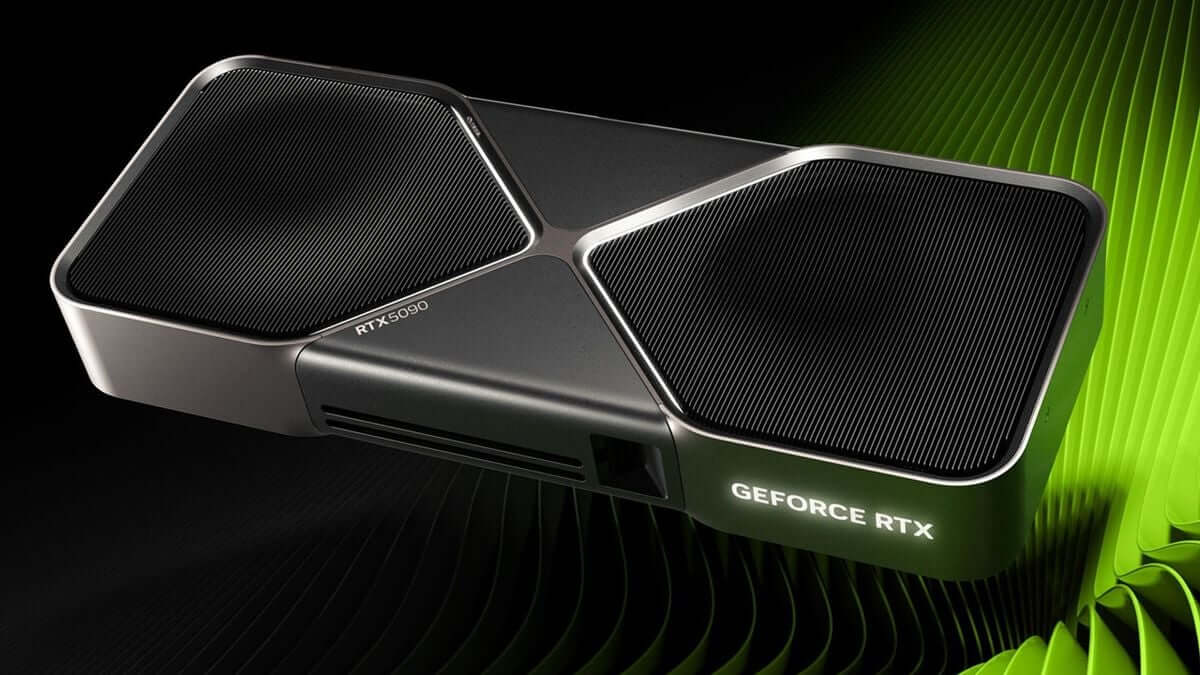
1. NVIDIA GeForce RTX 5090 Founders Edition
Key Specs:
CUDA Cores: ~21,760
Memory: 32 GB GDDR7
Memory Bus: 512‑bit
Boost Clock: ~2407 MHz
TDP: ~575 W
The RTX 5090 is NVIDIA’s flagship desktop GPU based on the Blackwell architecture and leads consumer graphics performance. With 32 GB of cutting‑edge GDDR7, it handles massive UE5 scenes, complex geometry, and high‑resolution textures with ease — and is an excellent match for workflows involving real‑time ray tracing and AI acceleration.
Why It’s Great for UE5:
Massive VRAM: 32 GB gives plenty of headroom for huge assets and 8K textures.
AI & DLSS 4: Blackwell’s next‑gen DLSS 4 and Neural Shaders help boost real‑time and editor performance.
Unmatched Power: Top choice for developers and advanced creators targeting 4K+ real‑time performance.
Considerations:
High power draw & cost: Requires a beefy PSU and cooling.
Availability: Founders Edition stock can fluctuate.
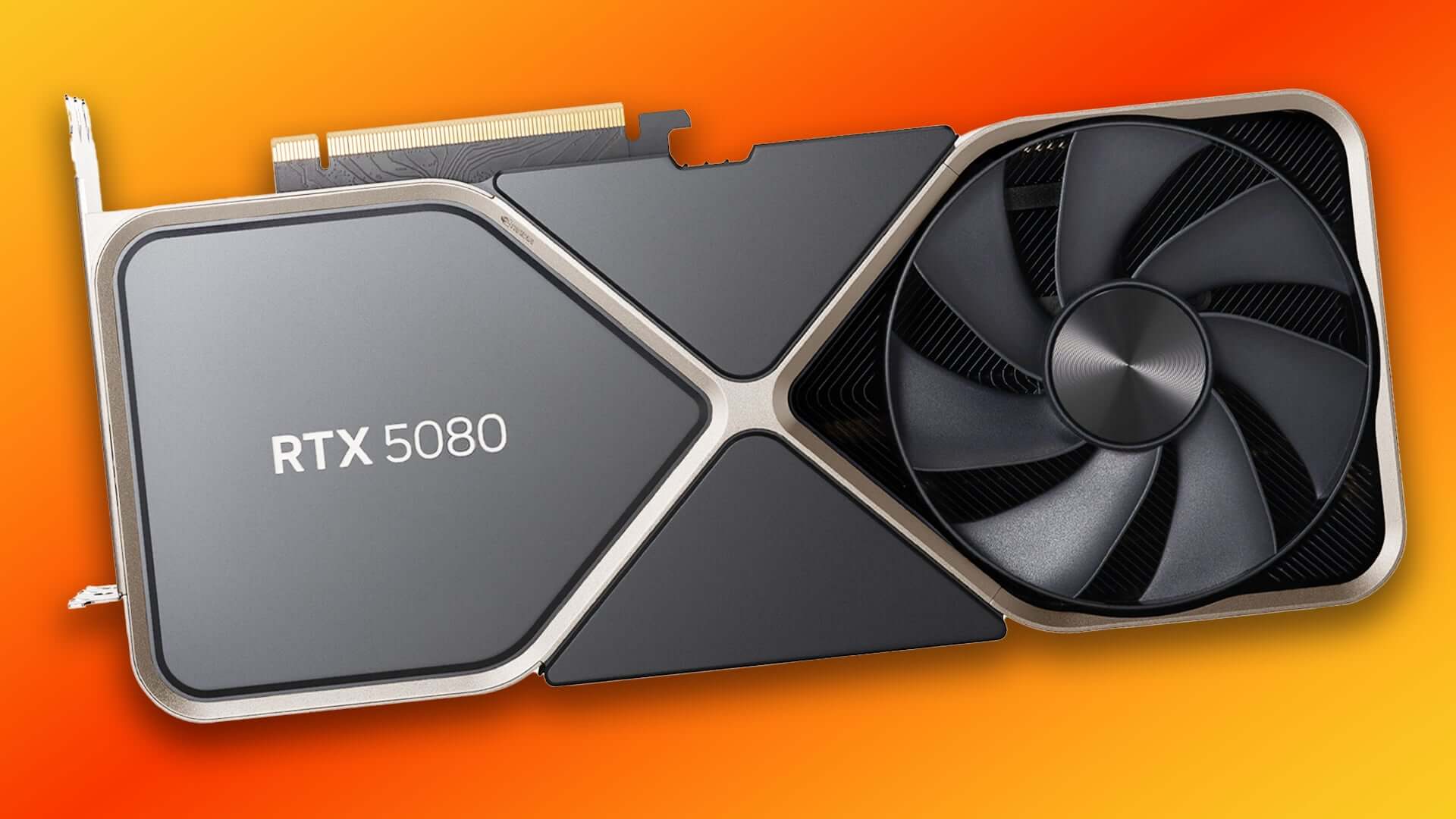
2. NVIDIA GeForce RTX 5080
Key Specs:
CUDA Cores: 10,752
Base Clock: 2.30 GHz
Boost Clock: 2.62 GHz
Memory: 16 GB GDDR7
TDP: 360 W
The NVIDIA GeForce RTX 5080 is the next‑generation high‑end GPU in NVIDIA’s RTX 50‑series Blackwell lineup. With a strong mix of CUDA cores, 16 GB of fast GDDR7 memory, and advanced ray‑tracing and AI features (including DLSS 4), it delivers excellent creative performance for real‑time Ray Tracing, Nanite, and large UE5 scenes.
Why It’s Great for UE5:
High Performance: The GeForce RTX 5080 has excellent raw performance for real‑time workflows and heavy in‑engine rendering.
Modern Technologies: DLSS 4 and next‑gen RT cores improve viewport responsiveness and visual fidelity.
Broad Use Case: Strong for both creative pros and demanding UE5 realtime pipelines.
Considerations:
Power & Thermal: Requires robust PSU and cooling.
Pricing: Premium tier, more expensive than mid‑range options.
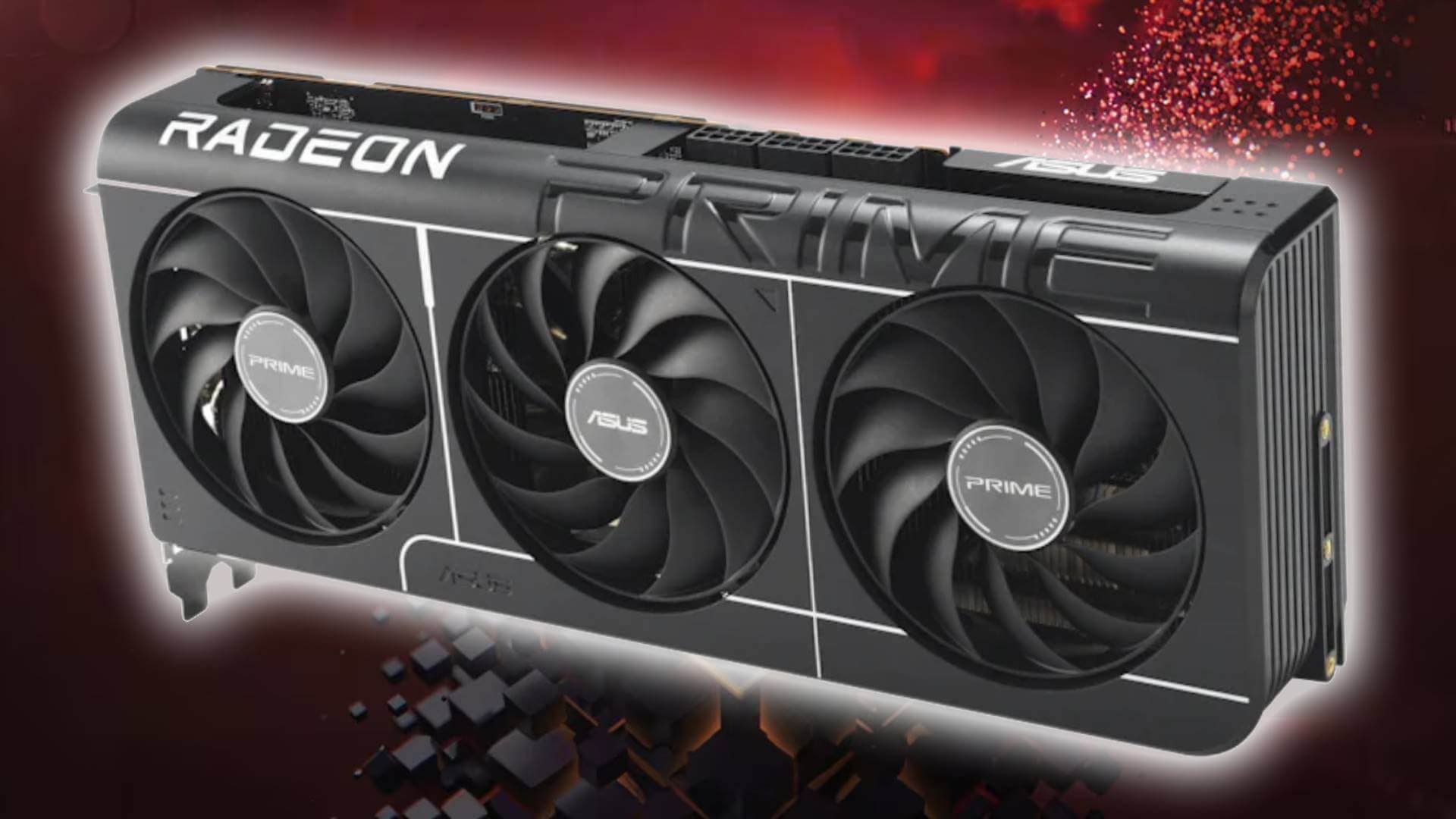
3. AMD Radeon RX 9070 XT
Key Specs:
Compute Units: 64
Base Clock: 2.40 GHz
Boost Clock: 2.97 GHz
Memory: 16 GB GDDR6
TDP: 304 W
The AMD Radeon RX 9070 XT, part of AMD’s RDNA 4 RX 9000 series, brings strong raster performance and competitive ray tracing to the mid‑high GPU segment. With 16 GB of GDDR6 memory and a high boost clock, it’s a strong choice for Unreal Engine 5, especially if you value raw raster throughput and AMD’s FidelityFX Super Resolution 4 (FSR 4).
Why It’s Great for UE5:
Strong Performance: High clock speeds and 16 GB of memory handle complex scenes well.
FSR 4 Support: AMD’s upscaling and frame‑generation tech helps performance in supported titles.
Value Option: Often priced more competitively than some NVIDIA counterparts.
Considerations:
Ray Tracing: Slightly behind equivalent NVIDIA Blackwell models in ray‑tracing heavy tasks.
Driver Cadence: Some workflows favor NVIDIA’s longer‑standing driver support.
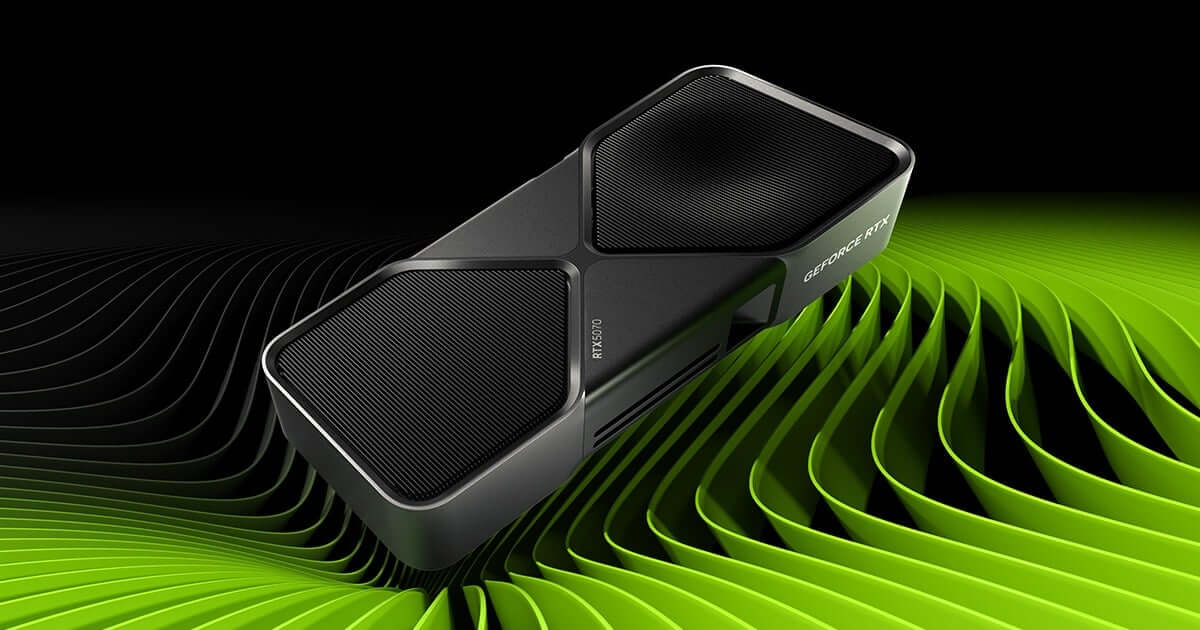
4. NVIDIA GeForce RTX 5070 Ti
Key Specs:
CUDA Cores: 8,960
Base Clock: 2.30 GHz
Boost Clock: 2.45 GHz
Memory: 16 GB GDDR7
TDP: 300 W
The NVIDIA GeForce RTX 5070 Ti sits in the upper midrange of the RTX 50‑series, offering 16 GB of GDDR7 memory and strong compute capability for both creative workloads and real‑time rendering. This makes it ideal for developers or smaller studios that want excellent UE5 performance without stepping up to flagship pricing.
Why It’s Great for UE5:
Excellent Midrange Power: Plenty of performance for 1440p/4K real‑time development.
16 GB VRAM: Good headroom for larger scenes and textures.
Next‑Gen Features: Blackwell GPU with DLSS 4 enhances visual quality and editor frame rate.
Considerations:
VRAM Trim: While good for most use cases, it’s not as future‑proof as the 5080’s performance ceiling.
Competition: Slightly behind the 5080 in raw compute and throughput.
5. AMD Radeon RX 9070
Key Specs:
Compute Units: 56
Base Clock: 2.07 GHz
Boost Clock: ~2.52 GHz
Memory: 16 GB GDDR6
TDP: 220 W
The AMD Radeon RX 9070 rounds out the mid‑tier options with respectable performance and excellent memory capacity. It’s a balanced choice for UE5 developers who want strong performance without entering the deepest high‑end segment. With 16 GB of GDDR6 VRAM, it has the memory capacity needed for rich assets and large scenes.
Why It’s Great for UE5:
Great VRAM‑to‑Cost: 16 GB is rare in midrange GPUs and beneficial for UE5 projects with large textures or tiled landscapes.
Efficient Power: Lower TDP means easier system integration and less cooling stress.
AMD Features: Solid raster performance and Radeon features like FSR.
Considerations:
Lower Compute Headroom: Not as fast as RX 9070 XT or NVIDIA mid‑high options, but still capable.
Ray Tracing: Less effective than higher‑end NVIDIA or AMD models.
Honorable Mentions:
While they might not make the list for best graphics cards for Unreal Engine 5 in 2025, for those who want strong performance in Unreal Engine 5 without the cost of the latest models, the NVIDIA RTX 3090, RTX 3080, and AMD Radeon 6900 XT are excellent options to consider. The RTX 3090, with its 24 GB of GDDR6X memory, and the RTX 3080, with 10 GB or 12 GB, both offer substantial power for handling UE5's demanding features like Nanite and Lumen, making them suitable for complex game development tasks. Similarly, the AMD Radeon 6900 XT, with 16 GB of GDDR6 memory, provides solid performance, especially for those who prefer AMD’s architecture.
While these cards are from previous generations, they remain highly capable and can often be found refurbished or used at more accessible prices, making them a cost-effective solution for developers looking to get the most out of Unreal Engine 5 without breaking the bank.
Choosing the best graphics cards for Unreal Engine 5 largely depends on your specific needs and budget. Whichever GPU you choose, make sure it aligns with the complexity of the projects you plan to undertake in UE5. As this powerful engine continues to evolve, having the right hardware will ensure that your development experience is smooth, efficient, and future-proof.
Interested in exploring similar roundups of our favorite tools for 3D artists? Check out more of our recent roundups on the Best Mice for 3D Artists and the Best Display Monitors for 3D Artists. Plus, sign up for our Newsletter to stay up to date on sales, gear roundups, and more!